

Everyone doubts themselves once in a while, but if you are constantly questioning your intelligence, believe that past success is luck, and set impossibly high stands for yourself – you may be experiencing imposter syndrome.
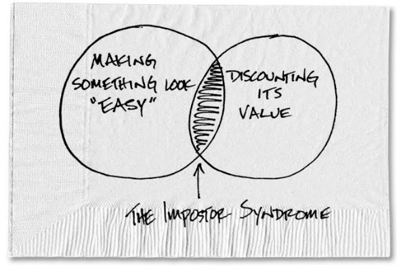
According to the DSM-5, imposter syndrome is not a mental illness, but it is common among high achievers and affects over 70% of the population. This joy stealer refers to long lasting feelings of unworthiness that don’t coincide with the facts or what other people know of you. These intrusive thoughts of feeling unworthy or being exposed as a fraud have consequences. Imposter Syndrome reduces productivity, causes loss of confidence and missed opportunities, causes social isolation, and leads to anxiety.
As always, my first recommendation is to find a therapist or life coach who you connect with, but until then…here are some tips to get you started.

- Rewrite the rules by talking about these fraudulent feelings and your actual talents with a supportive friend or partner.
- Write down your accomplishments – including the ones from childhood that may not have been acknowledged.
- Practice accepting compliments without comparison.
- Develop a healthy response to failure through journaling first and then verbally with a trusted friend or partner.

What I dream of is an art of balance, of purity and serenity devoid of troubling or depressing subject matter – a soothing, calming influence on the mind, rather like a good armchair which provides relaxation from physical fatigue.
– Henri Matisse