
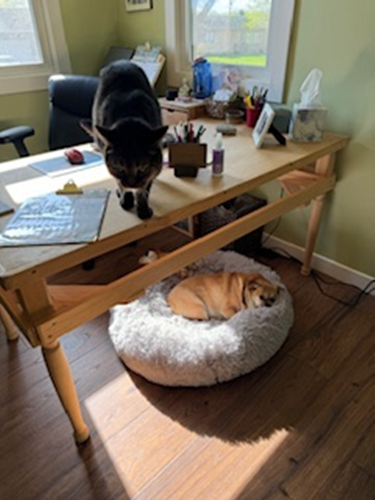
As I write this, my cat, Roo, is sitting on my mouse. I like it when he sits on my desk when I’m working because he reminds me that we all need to seek out what we need. At this particular moment he requires a pet, just one or two, from me, and a sip from whatever beverage I dared leave in his way. Roo gets what he needs. I wish we all were that confident. My dog, Ollie, is underneath my desk sleeping. He gets what he needs too, but he is louder about it, and maybe a bit less clear. He would rather be with me than push me too far in the needs department, so I try to anticipate, but having to assume someone’s needs is difficult.
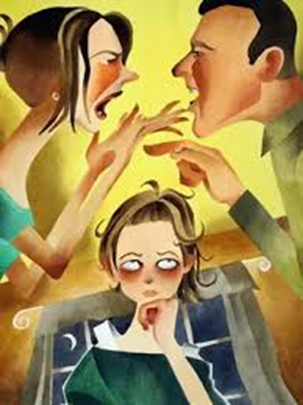
There is this thing that mental health professionals use now, throughout all of the US since about 2011, that helps us define difficulties people might have as adults that could have been prevented in childhood. It is called ACEs – Adverse Childhood Experiences. We look at things like poverty, maltreatment, and household disfunction to see what needs were/are not met as children and teens.
I developed something called a donut for teens. I have one for adults too, but it is much different. My donut for teens looks at the main needs of a person between 11-18 and attempts to teach the person how to use their values to meet the needs which they have some control over, so that they are less of a victim to their circumstances. There are 4 basic needs on the donut for teens, and although the idea of this takes more time than this little blog, I do have some starter information.

Safe Environment with caring adult connections: A safe environment is a place where you can sleep in a bed, eat regularly, and not be assaulted physically, sexually, or emotionally. Caring adult connections are relationships that enhance your physical and emotional well-being and do not creep you out. Examples could be (but not always) your parents, aunts or uncles, coaches, or mentors. *If you need a healthy adult connection, ask you counselor or teacher to connect you with someone trustworthy and safe.

Social Emotional Skill Building: These are skills that keep you safe and healthy often learned in counseling. Emotional regulation, communication, and conflict resolution are all social emotional skills. *Talk to a therapist and ask to be taught these specific skills.

Positive Peer Relationships: Friends, cousins, and teammates are examples of peer relationships. Positive peer relationships contain mutual respect, good relationships with people your own age, and activities that enhance your well-being.
Resilience building Activities: Participating in team activities, practicing gratitude, learning coping methods, and engaging in hobbies that lessen stress all build resilience.

“It takes courage to grow up and become who you really are.”
— E.E. Cummings